Reports from organizations such as UNESCO, UNICEF, and the World Economic Forum highlight a significant shift in education. As technology continues to transform industries, future careers will increasingly require skills such as creativity, critical thinking, problem-solving, and adaptability. The World Economic Forum’s Future of Jobs Report identifies these among the most important skills for the workforce of the future.
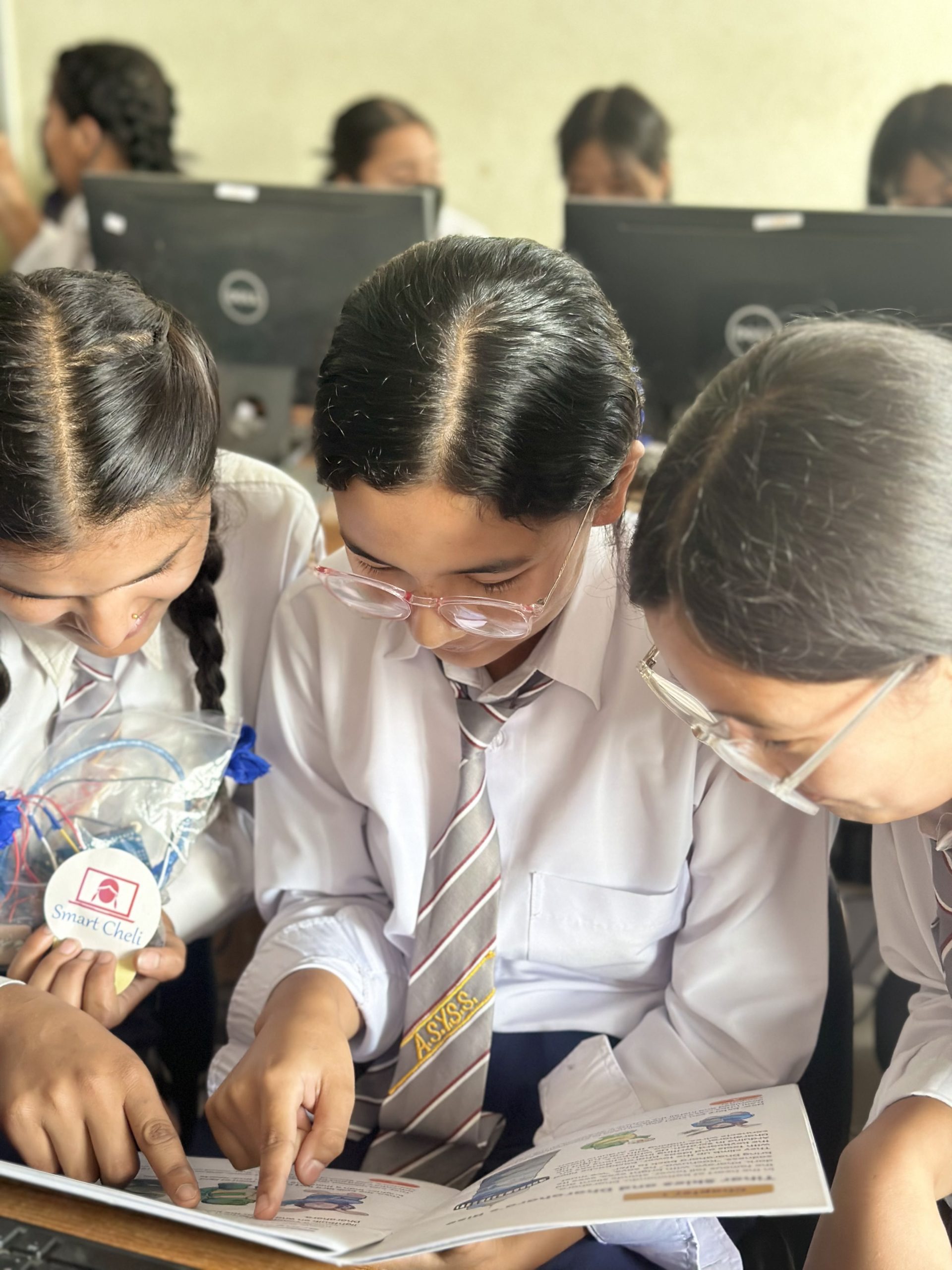
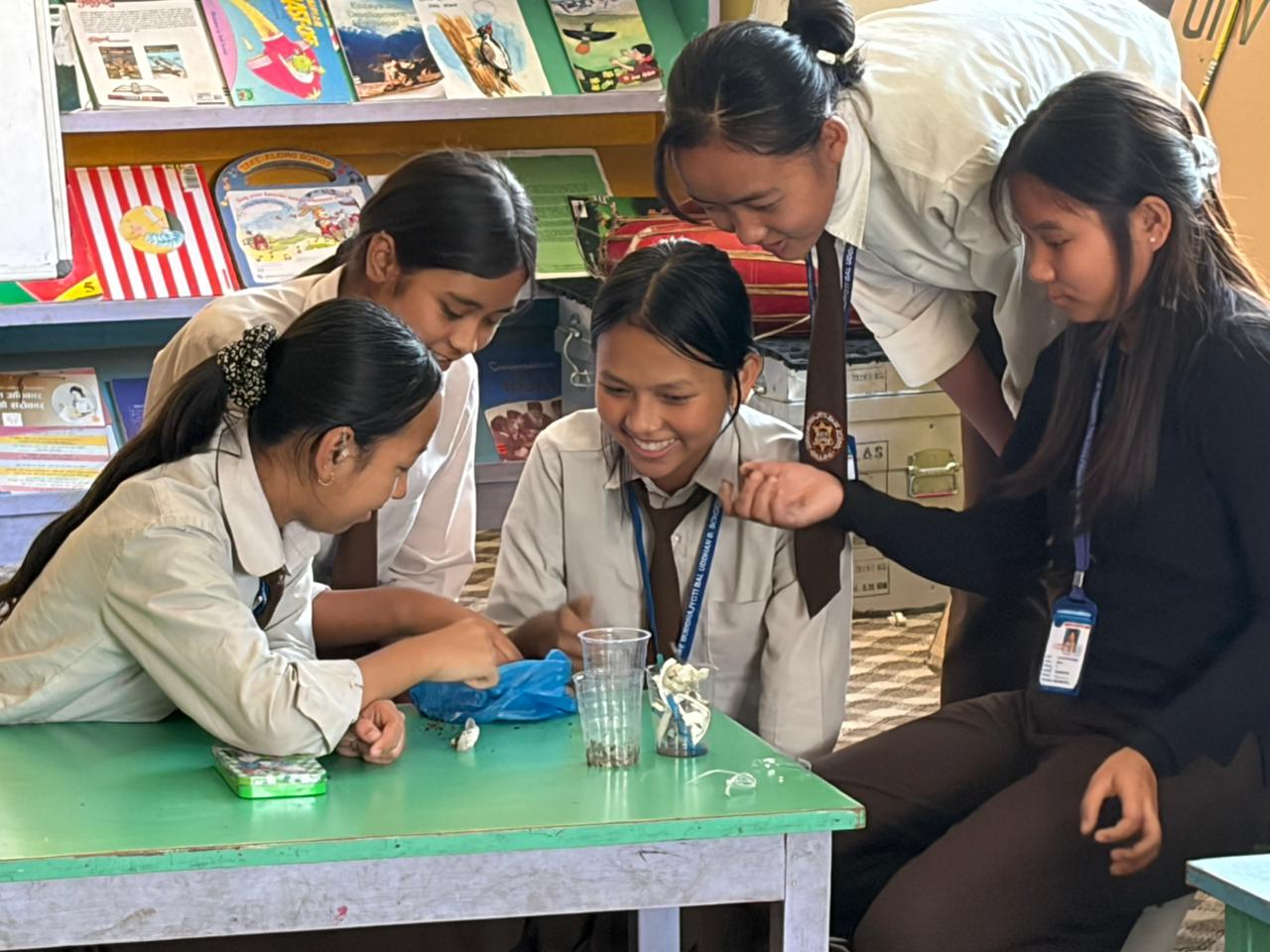
STEM education supports the development of these skills by encouraging students to engage in hands-on, problem-based learning rather than memorization. STEM encourages students to actively explore ideas, solve challenges, test solutions, and learn through experience. In doing so, it helps students develop creative thinking in practical and meaningful ways.
Creativity Begins with Problem-Solving
Creativity becomes meaningful when it is applied to a clear problem, goal, or constraint. STEM naturally provides this structure.
Whether students are designing a simple machine, building a robot, or creating a game in Scratch, they are faced with a challenge that requires original thinking. For example, when developing a game, students must decide how characters behave, what obstacles players will encounter, and how the game progresses. These decisions combine imagination with logic, encouraging students to think creatively within a structured environment.
Research on problem-based learning shows that students develop stronger reasoning and creative application skills when they work on real-world challenges rather than simply receiving information passively.
Creativity Grows Through Experimentation
Solving problems is only the beginning. Creativity develops further when students are encouraged to test ideas and learn from the results.
In STEM activities, students rarely succeed on the first attempt. A program may not run correctly, a robot may not move as expected, or a design may fail to achieve its purpose. Instead of viewing these outcomes as failures, students learn to analyze what went wrong, make improvements, and try again.
This cycle of experimentation, feedback, and revision helps students become more confident in exploring new ideas. It teaches them that creativity is not about getting everything right immediately but about continuously improving and refining solutions.
Beyond Technology: Building Future-Ready Skills
As students engage in problem-solving and experimentation, they naturally develop skills that extend far beyond STEM subjects themselves.
Many STEM projects involve teamwork, requiring students to communicate their ideas clearly and collaborate with others. Designing solutions also encourages empathy, as students must consider the needs of the people who will use their creations. At the same time, overcoming challenges helps build resilience and perseverance.
These abilities are valuable not only in technology-related careers but across all fields and aspects of life.
Conclusion
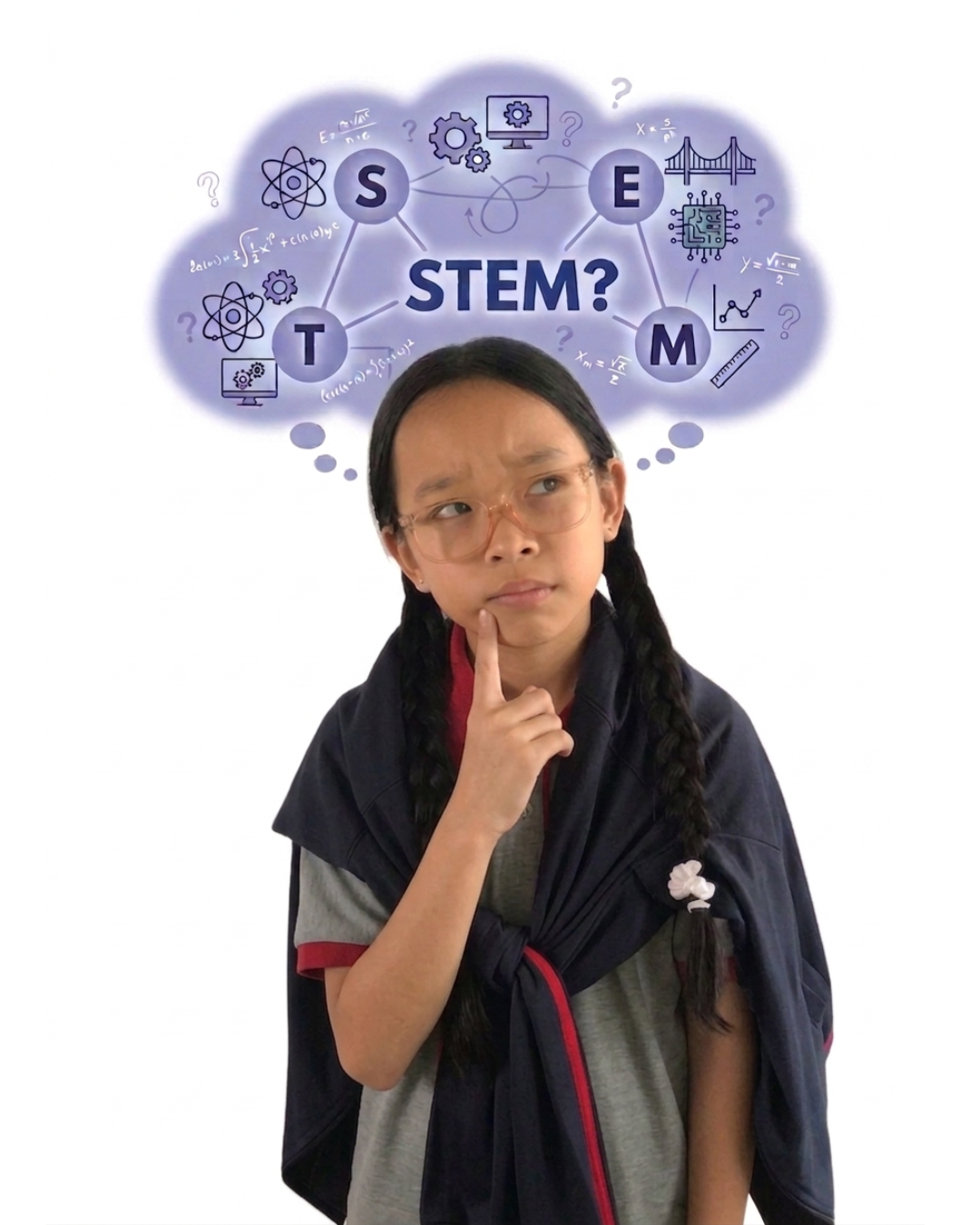
STEM education is about more than teaching science, technology, engineering, and mathematics. It helps students develop a mindset of curiosity, creativity, and problem-solving. By working on real challenges, experimenting with ideas, and learning from mistakes, students gain the confidence to turn their ideas into meaningful solutions.
As the world continues to evolve, the ability to think creatively and adapt to new challenges will become increasingly important. STEM helps prepare students not only for future careers but also for a future where innovation and creative thinking are essential.