Starting Early
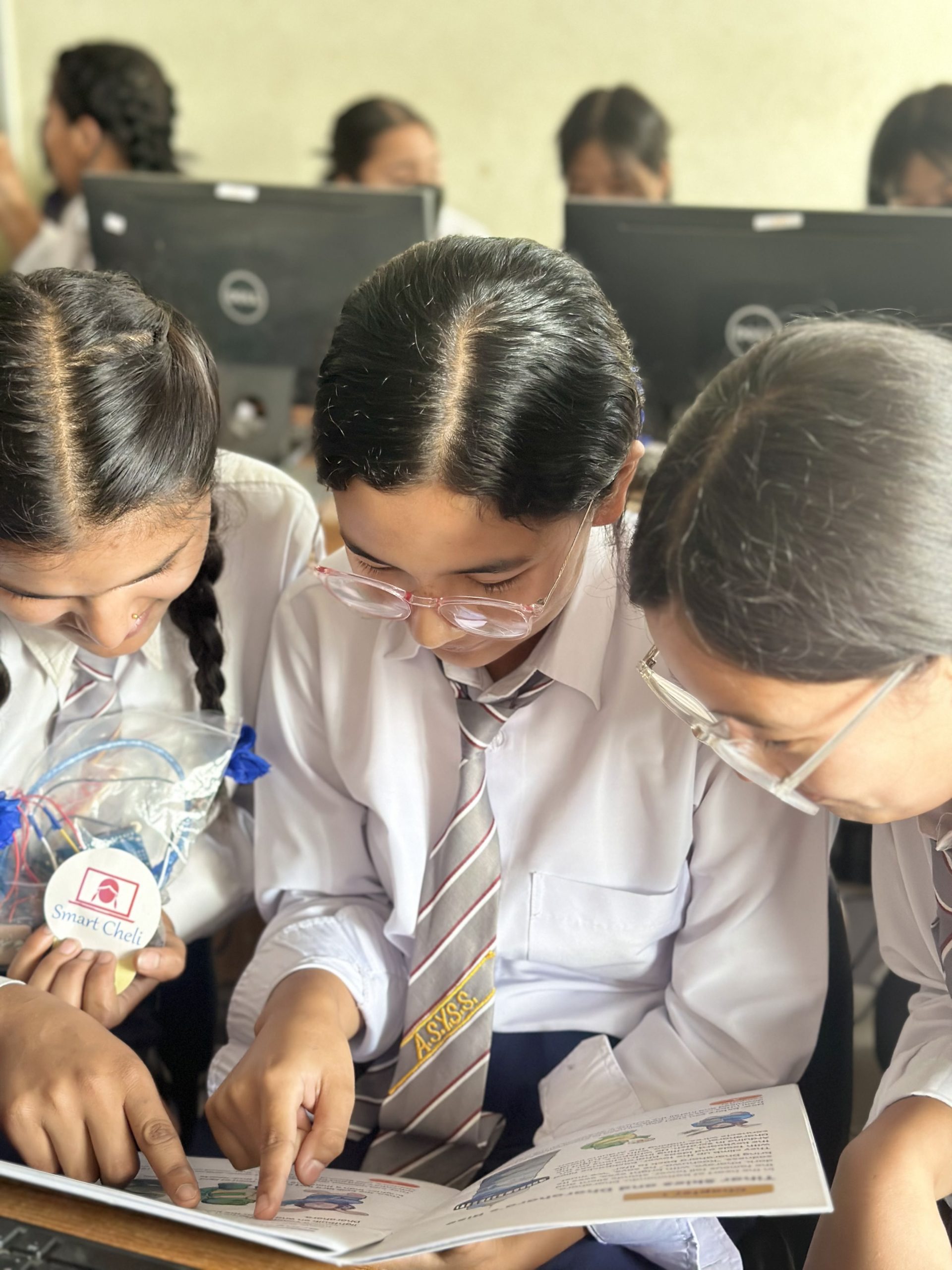
Early childhood is a period of rapid brain development, where foundational skills are built through play, exploration, and discovery. When children engage with STEM during these formative years, through hands-on inquiry rather than just memorizing they earn how to think, how to question, and how to get back up when something doesn’t work.
The world of work is changing rapidly, and many future careers will require new skills. According to the World Economic Forum’s Future of Jobs Report 2025, technological change is expected to transform millions of jobs by 2030, creating new roles while changing the skills required for existing ones. We cannot prepare children for a world we cannot fully imagine, but we can help them become the kind of thinkers who will know how to find their way, no matter what the future looks like.
Early STEM exposure doesn’t just build skills. It builds identity. A child who experiences science as exciting and accessible before adolescence doesn’t need to be convinced later about where she belongs. She already knows.
For Nepal Case
The numbers tell a clear story. According to the Nepal Labor Force Survey 2017–18, only 0.5% of economically active women work in the ICT sector. UNESCO (2017) finds that a mere 7.8% of researchers in Nepal are women. Globally, women hold less than 30% of STEM jobs eventhough it is the fastest-growing, highest-paying fields.
This gap does not begin at university. It begins in the classroom, and often before secondary school. Patriarchal norms, early marriage, and household responsibilities drive high dropout rates among girls in Nepali high schools, particularly in rural regions. By the time many girls reach higher education, they quietly accepted that science was not for them.
STEAM learning research shows adolescent girls tend to lose interest in STEM without early engagement, and once lost, that interest rarely returns. The World Bank confirms that women enrolled in STEM courses are more likely to switch out, with dropout rates in STEM programs higher for women than men. If we don’t act early, it can be too late .
What It Actually Does
Research is consistent on the benefits. Hands-on projects teach children to analyse, hypothesise, test, and revise which help in building critical thinking and problem-solving skills that transfer across every subject and every life situation .
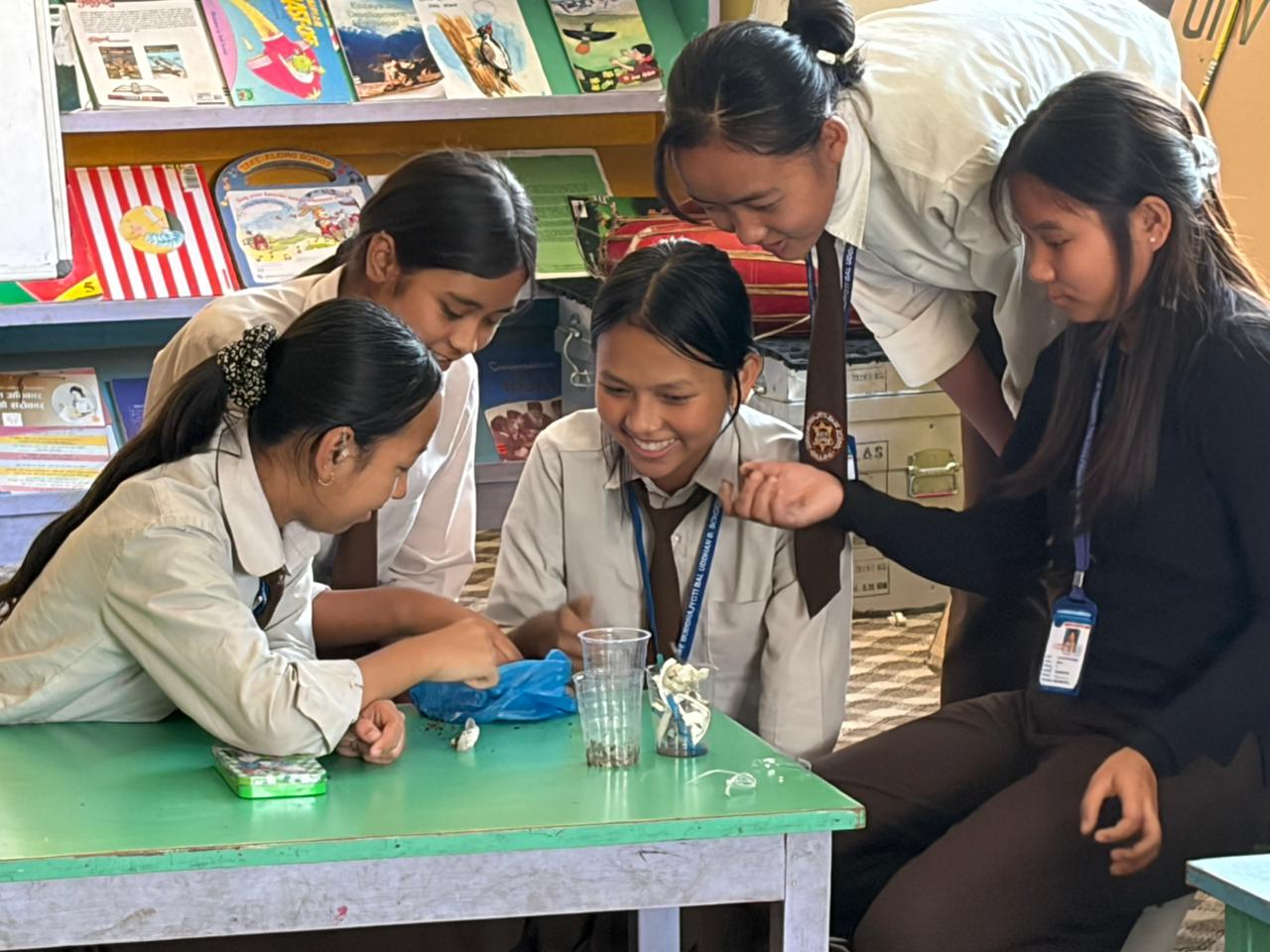
STEM learning also becomes far more effective when children work together. Group-based projects in Nepali classrooms show measurable gains in communication and teamwork which proof that when children share ideas and work toward common goals, they grow beyond the subject itself .
Evidence from STEM bootcamps in Nepal shows that as programs progress, girls grow noticeably more confident, more comfortable expressing opinions and sharing ideas.
It prepares children for a technology-driven future. Early STEM exposure fosters adaptability, digital fluency, and a mindset of lifelong learning, the core competencies of tomorrow’s workforce, whatever shape it takes.
Nepal’s tech sector is growing fast. But if girls are not in that conversation not for lack of ability, but for lack of access the country loses potential that is yet to be discovered .
Early STEM education is not a luxury. It is infrastructure. The kind of investment that compounds over time, pays forward across generations, and it starts with a single girl discovering she is capable.